In today’s competitive manufacturing and logistics industries, efficiency and automation are key to success. Industrial conveyor systems play a vital role in streamlining material handling, reducing labor costs, and improving production efficiency.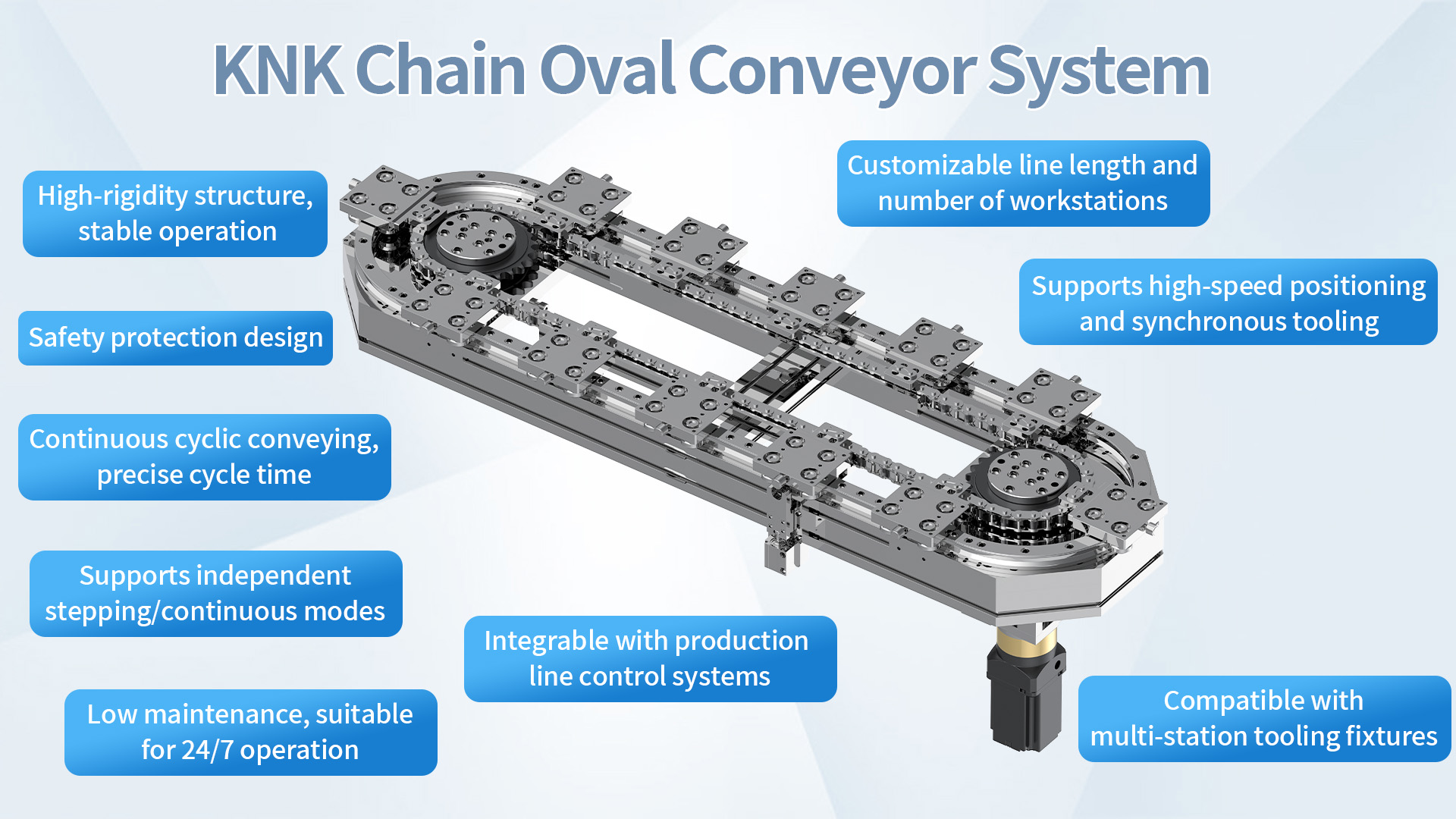
From simple transport tasks to complex automated workflows, conveyor systems are essential for moving products quickly, safely, and consistently across different stages of production and distribution.
Industrial conveyor systems are mechanical handling equipment designed to transport materials, products, or components from one location to another within a facility. These systems can be configured for horizontal, vertical, or inclined movement depending on operational needs.
A typical conveyor system includes:
These components work together to create a seamless and efficient material flow.
Different industries require different conveyor solutions. Common types include:
Ideal for transporting lightweight to medium-weight items over long distances with smooth and continuous movement.
Designed for heavy-duty applications, capable of handling pallets, large components, and heavy loads.
Suitable for manual or gravity-based movement, often used in warehouses and distribution centers.
Used to transport items above the workspace, saving floor space and improving workflow efficiency.
Flexible and customizable systems that can be easily reconfigured for different production requirements.
Automation reduces manual handling and speeds up production processes, leading to higher throughput.
Conveyor systems minimize the need for manual lifting and transportation, reducing workplace injuries.
Products move at controlled speeds, ensuring uniform processing and reducing bottlenecks.
Modern conveyor systems can be expanded or reconfigured as business needs evolve.
By automating repetitive tasks, businesses can significantly reduce labor costs and operational expenses.
Industrial conveyor systems are widely used across various sectors:
These systems enable smooth and efficient movement of goods, improving overall productivity.
Standard conveyor systems may not always meet specific operational requirements. Many businesses opt for custom industrial conveyor systems tailored to their unique needs.
Customization options include:
Custom solutions ensure maximum efficiency and seamless integration into existing workflows.
When selecting an industrial conveyor system, consider the following:
Type of material: Size, weight, and shape of items being transported.
Throughput requirements: Speed and volume of production.
Facility layout: Space constraints and system configuration.
Environmental conditions: Temperature, humidity, and cleanliness.
Automation level: Integration with control systems and software.
Proper planning ensures optimal system performance and long-term reliability.
A reliable conveyor equipment manufacturer is essential for successful implementation. Look for a partner that offers:
Working with an experienced supplier ensures your conveyor system meets both current and future operational demands.
As industries continue to evolve toward automation and efficiency, industrial conveyor systems remain a cornerstone of modern material handling. They provide reliable, scalable, and cost-effective solutions for transporting goods across various applications.
Whether used in manufacturing, logistics, or distribution, conveyor systems help businesses optimize workflows, improve safety, and increase productivity. Investing in the right conveyor solution is a key step toward building a more efficient and competitive operation.