In high-end automation and precision engineering, traditional drive systems are often limited by mechanical components such as belts and screws. The actuator linear motor offers a cutting-edge alternative by delivering direct-drive linear motion with unmatched speed, accuracy, and efficiency.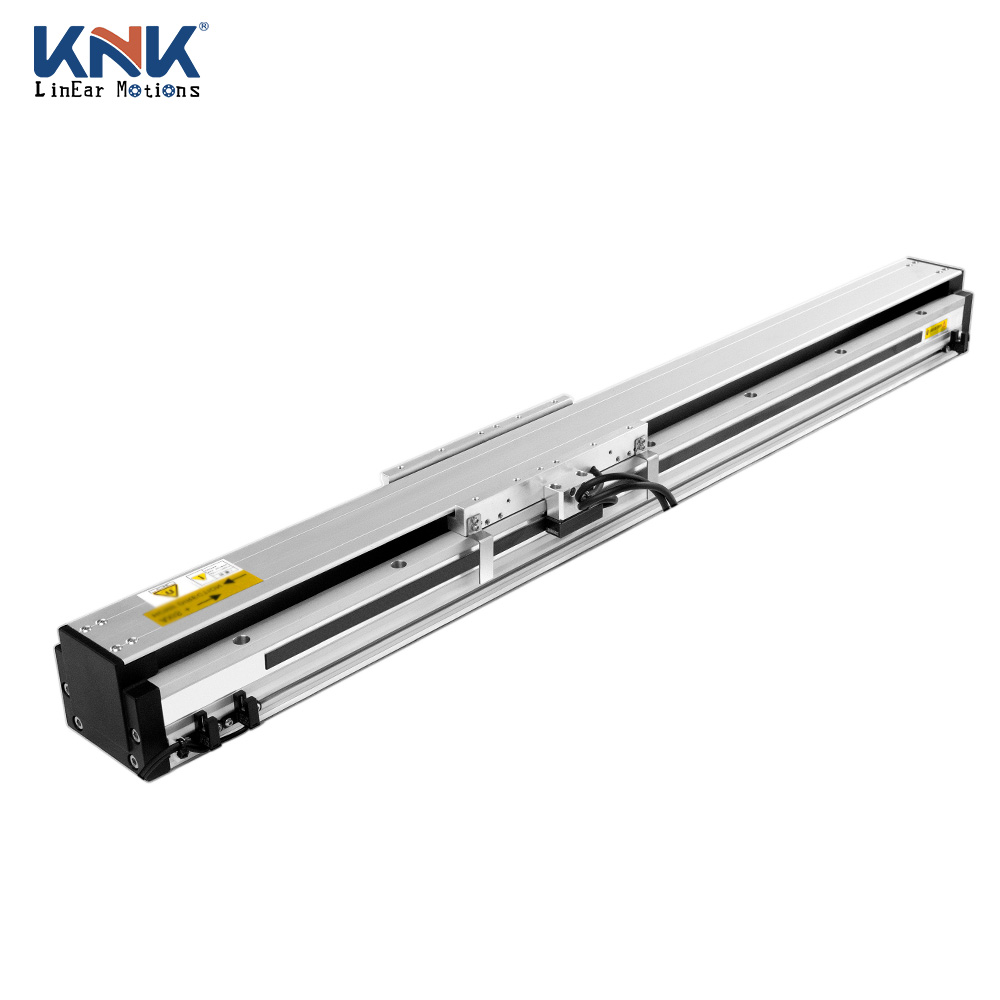
As industries continue to demand higher performance, linear motor actuators are becoming a key technology in modern motion control systems.
An actuator linear motor is a direct-drive system that generates linear motion without the need for mechanical transmission components like ball screws or belts. It converts electrical energy directly into linear force using electromagnetic principles.
A typical linear motor actuator system includes:
This design eliminates mechanical contact, resulting in smoother and more precise motion.
One of the biggest advantages of an actuator linear motor is its exceptional positioning accuracy. With high-resolution feedback systems, it can achieve micron-level or even nanometer-level precision.
Linear motor actuators can reach very high speeds and accelerations due to the absence of mechanical transmission limitations. This makes them ideal for high-speed automation processes.
Since there are no contact-based transmission components, linear motors experience minimal mechanical wear. This reduces maintenance requirements and increases system lifespan.
The direct-drive design ensures low vibration and quiet operation, which is especially important in precision environments.
Linear motors provide efficient energy conversion with minimal losses, improving overall system performance.
Due to their superior performance, linear motor actuators are widely used in advanced industries:
These applications require fast, precise, and reliable motion control, which linear motors can deliver.
When comparing actuator linear motor systems with traditional solutions:
Linear motor actuator:
Ball screw actuator:
Belt-driven actuator:
Choosing the right system depends on your performance requirements and budget.
Many applications require tailored solutions to meet specific operational needs. Custom actuator linear motor systems can be designed with:
Customization ensures optimal performance and seamless integration into advanced automation systems.
Before choosing a linear motor actuator, consider the following factors:
Precision requirements: Level of positioning accuracy needed.
Speed and acceleration: Motion performance specifications.
Load capacity: Weight of moving components.
Thermal management: Heat dissipation requirements.
Environment: Cleanroom, vacuum, or industrial conditions.
Control system compatibility: Integration with existing automation systems.
Proper evaluation ensures the best performance and long-term reliability.
As industries move toward higher precision and faster production speeds, the actuator linear motor has become a critical component in advanced motion control systems. Its direct-drive design, high efficiency, and exceptional accuracy make it the preferred choice for demanding applications.
Whether used in semiconductor manufacturing, robotics, or precision automation, linear motor actuators provide a powerful solution for achieving superior performance.
For companies seeking cutting-edge motion technology, investing in a customized linear motor actuator system is a strategic step toward future-ready automation.