In modern automated manufacturing, speed and precision are critical factors for improving productivity. Industries such as electronics, automotive components, medical devices, and consumer products often require thousands of small parts to be transferred, assembled, or sorted every hour.
Traditional robotic systems can perform these tasks, but when it comes to ultra-fast repetitive motion, many manufacturers choose a PPU Manipulator (Pick and Place Unit) instead.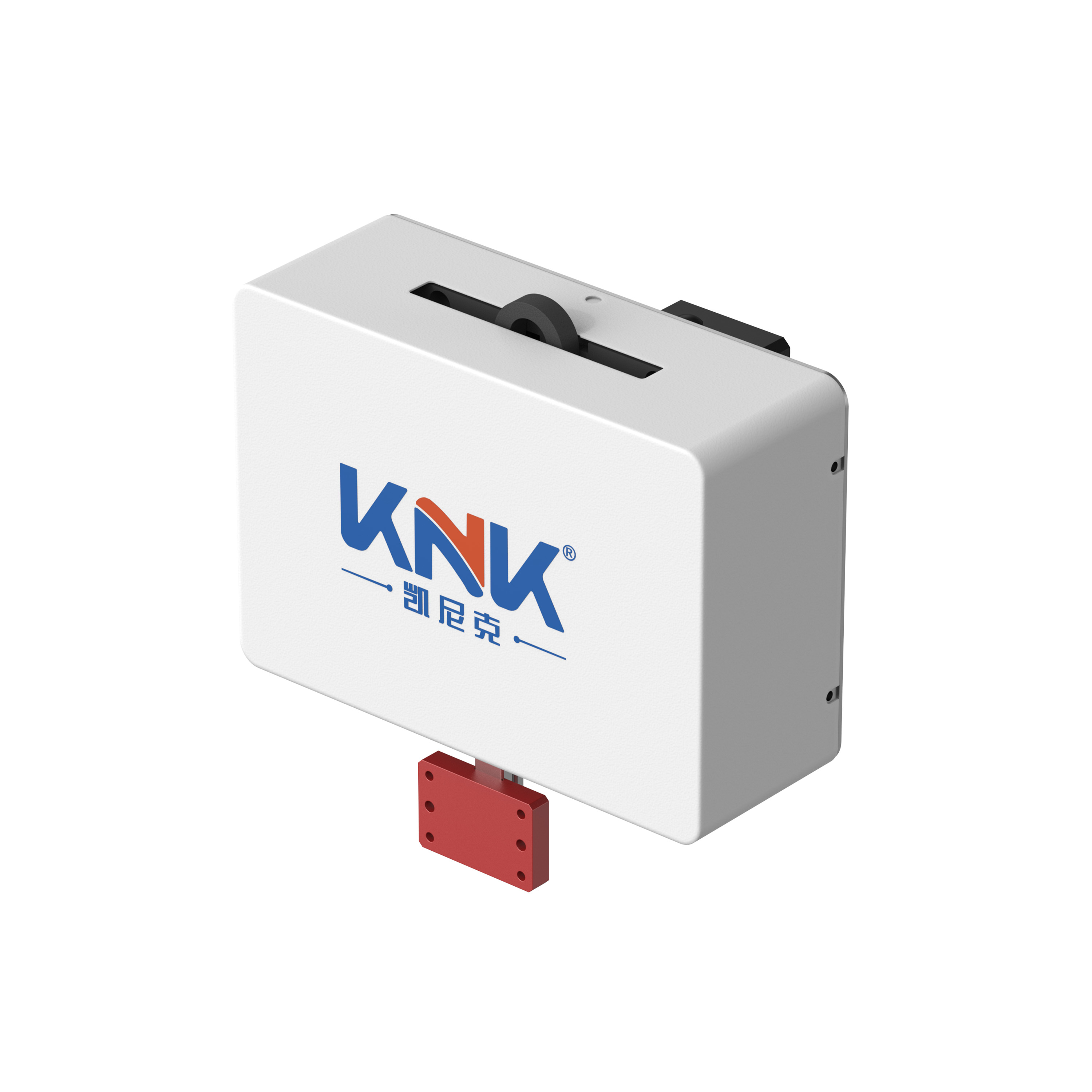
So why can a PPU manipulator pick and place small parts so quickly? What makes it more efficient than many conventional automation solutions?
This article explains the working principle, advantages, and applications of PPU manipulators and why they have become a preferred solution for OEM automation projects.
A PPU Manipulator, also known as a Pick and Place Unit, is a compact automation device designed to perform rapid horizontal and vertical movement for transferring parts between positions.
Unlike multi-axis robots that rely on complex motion programming, a PPU unit typically uses a cam-driven mechanical structure to generate a predefined movement path.
A typical PPU system includes:
The result is a highly efficient motion system optimized for repetitive pick-and-place operations.
Industrial robots often require multiple servo axes to coordinate movement.
A cam-driven PPU manipulator follows a fixed mechanical motion path.
Benefits include:
Since the motion profile is mechanically optimized, the system can achieve extremely fast repetitive movement.
Traditional robots typically move in separate axes:
A PPU manipulator combines these motions into a continuous optimized trajectory.
Advantages include:
This optimized motion path significantly increases throughput.
PPU units are specifically designed for handling small components.
Their moving structures are:
Lower inertia allows:
This is one of the primary reasons PPU systems achieve extremely high operating speeds.
In automated production, speed alone is not enough.
PPU manipulators also provide excellent repeatability.
Typical benefits include:
This combination of speed and accuracy makes them ideal for mass production environments.
The exact speed depends on:
In many applications, a PPU pick and place unit can complete a transfer cycle in less than one second.
For small lightweight components, production rates can reach:
This performance often exceeds traditional robotic systems in repetitive transfer tasks.
Applications include:
The high speed of PPU systems supports modern electronics production requirements.
Used for:
The robust design ensures reliable operation in demanding production environments.
Precision and cleanliness are essential.
PPU manipulators are commonly used for:
High-volume production lines often require rapid handling of small components.
PPU systems improve productivity while maintaining consistent quality.
| Feature | PPU Manipulator | Traditional Robot |
|---|---|---|
| Cycle Time | Extremely Fast | Moderate |
| Repeatability | Excellent | Excellent |
| Programming Complexity | Low | High |
| Maintenance | Simple | More Complex |
| Small Part Handling | Excellent | Good |
| Cost for Repetitive Tasks | Lower | Higher |
For fixed-path, high-speed transfer applications, PPU manipulators often provide a more cost-effective solution.
Every production line has unique requirements.
A custom PPU manipulator can be optimized for:
Customized grippers for specific components.
Tailored horizontal and vertical travel distances.
Optimized cam profiles for faster cycle times.
Designed according to actual part weight.
Compatible with conveyors, assembly stations, and inspection equipment.
Custom engineering improves overall production performance.
A reliable supplier should provide:
High-quality components ensure:
OEM projects often require non-standard solutions.
Choose a manufacturer capable of delivering application-specific designs.
Strong after-sales support helps minimize downtime and improve productivity.
As smart manufacturing evolves, PPU systems are becoming more advanced through:
These developments further enhance productivity and operational efficiency.
The reason a PPU manipulator can pick and place small parts so quickly lies in its optimized cam-driven motion, lightweight structure, efficient movement path, and excellent repeatability.
For high-volume manufacturing applications that require fast and reliable handling of small components, a PPU pick and place unit often delivers higher productivity and lower operating costs than traditional robotic solutions.
For OEM manufacturers and automation integrators, investing in a custom PPU automation solution can significantly improve production efficiency, product quality, and overall competitiveness.